Kansas Needs Nurses, Now More Than Ever
Here's something important to know as you consider a nursing career: Kansas is facing a real and growing shortage of nurses, and the need for the next generation is urgent.
- The number of licensed nurses in Kansas has been declining steadily since 2019.
- There are nearly 6,000 fewer Registered Nurses and over 1,300 fewer Licensed Practical Nurses practicing in the state today than there were just a few years ago.
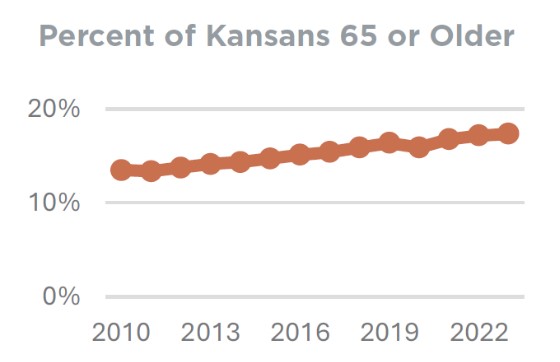
One major reason? A large portion of the current nursing workforce is aging toward retirement, and there aren't enough new nurses coming in behind them.
What this means for you: job security. Competitive pay. The ability to choose where and how you practice. When demand outpaces supply, nurses have real opportunity. Whether you want to work in a Kansas City hospital, a rural clinic, or anywhere in between, your skills will be sought after.
Demand for Nursing Care is Increasing
Here's a striking fact: more than one in five Kansas nurses is 60 years old or older. That means the demand for nursing care, particularly in skilled nursing facilities and home health, is growing steadily and won't slow down. An older population simply requires more care, more consistently.
The ratio of nurses to Kansans hasn't grown in a decade. Today there is one Licensed Practical Nurse for every 322 Kansans, and one Registered Nurse for every 56. The LPN ratio has actually gotten worse over time, meaning fewer nurses are available to care for more people.
The Kansas Nursing Workforce is Aging
Retirement is on the horizon for a large portion of the current workforce, and the numbers of younger nurses, those between 18 and 29, have actually been shrinking, not growing.
| Answer | 2020 | 2022 | 2024 |
|---|---|---|---|
| No | 83.0% | 70.7% | 74.1% |
| Yes | 17.0% | 29.3% | 25.9% |
| Yes, I plan to leave nursing | NA | NA | 11.4% |
| Yes, I plan to retire | NA | NA | 14.5% |
| Answer | 2020 | 2022 | 2024 |
|---|---|---|---|
| No | 88.3% | 77.0% | 76.6% |
| Yes | 11.7% | 23.0% | 23.4% |
| Yes, I plan to leave nursing | NA | NA | 10.0% |
| Yes, I plan to retire | NA | NA | 13.4% |
The most urgent concern is what's coming next: nearly 24% of LPNs and 26% of RNs in Kansas expect to retire or leave the profession within the next five years. That's a looming workforce gap that Kansas's health care system will need to fill and fill quickly.
The numbers tell a clear story: the nursing workforce in Kansas is getting older, and not enough young nurses are stepping in to replace those who are retiring.
| Age | 2015 | 2017 | 2020 | 2022 | 2024 |
|---|---|---|---|---|---|
| 18-29 | 16.8% | 14.6% | 13.3% | 10.2% | 11.5% |
| 30-34 | 14.5% | 14.9% | 13.9% | 12.8% | 12.4% |
| 35-39 | 11.0% | 11.2% | 11.2% | 13.0% | 13.9% |
| 40-44 | 9.4% | 7.8% | 11.8% | 12.5% | 11.0% |
| 45-49 | 8.7% | 11.8% | 10.2% | 10.1% | 10.8% |
| 50-54 | 11.4% | 10.2% | 9.7% | 10.3% | 10.1% |
| 55-59 | 11.6% | 13.1% | 10.2% | 8.7% | 8.3% |
| 60-64 | 7.7% | 9.9% | 8.7% | 8.7% | 6.3% |
| ≥65 | 8.9% | 6.5% | 11.1% | 13.5% | 15.8% |
The median age of a Kansas Registered Nurse today is 45. More than one in five Kansas RNs is 60 or older, up from about one in six just a decade ago. At the same time, the share of nurses younger than 30 has dropped from nearly 17% in 2015 to just 11.5% in 2024. Nationally the trend is similar, with even fewer young nurses in the pipeline.
| Age | 2015 | 2017 | 2020 | 2022 | 2024 |
|---|---|---|---|---|---|
| 18-29 | 16.1% | 14.2% | 15.9% | 13.1% | 12.8% |
| 30-34 | 16.8% | 13.8% | 14.4% | 13.4% | 9.8% |
| 35-39 | 11.4% | 11.7% | 12.5% | 13.2% | 12.6% |
| 40-44 | 9.8% | 10.4% | 11.4% | 11.4% | 13.6% |
| 45-49 | 9.4% | 11.5% | 11.2% | 11.1% | 10.5% |
| 50-54 | 15.6% | 14.4% | 9.5% | 12.8% | 12.2% |
| 55-59 | 9.3% | 11.4% | 8.5% | 8.1% | 8.0% |
| 60-64 | 5.7% | 6.7% | 6.9% | 6.9% | 8.9% |
| ≥65 | 6.0% | 6.0% | 9.7% | 10.0% | 11.6% |
The median LPN in Kansas is 45 years old today, and more than 20% of Kansas LPNs are 60 or older, nearly double the percentage from just a decade ago. Nationally, the picture is even more stark: the median LPN age is 50, and the largest single age group is nurses 65 and older. At the same time, the share of LPNs under 30 has been shrinking, dropping from 16% to under 13% in Kansas over the past decade, and sitting at just 7% nationally. Fewer young people are choosing the LPN path right now, even as the need for LPNs is growing.
Implications for Future Care and Careers
When a profession is actively shrinking while demand grows, new graduates enter the workforce with real advantages, more job options, stronger starting salaries, and greater ability to choose the setting and location where they want to work.
The shortage won’t go away quickly, and nurses who enter the workforce now will help shape how Kansas health care recovers and grows for decades to come.
If you've been on the fence about pursuing nursing, consider this your sign. The timing couldn't be better to build a career with real purpose and real demand behind it. Given these trends, it's a strong foundation for a lifetime of meaningful, in-demand work.